
Texas Home Appraisal Tips: Preparing for a Home Appraisal in Texas

Preparing for a home appraisal in Texas requires careful attention to detail and a clear understanding of the appraisal process. A home appraisal is a professional assessment of a property's value, often required during real estate transactions or refinancing. Proper preparation can help ensure an accurate valuation and a smooth transaction. This guide provides practical steps and insights to help you prepare effectively.
Understanding Texas Home Appraisal Tips
The appraisal process in Texas follows specific guidelines and standards. Knowing what appraisers look for can help you present your property in the best possible light. Appraisers evaluate the condition, size, location, and features of your home. They also compare your property to similar homes recently sold in the area.
To prepare, start by gathering important documents such as your property deed, recent tax assessments, and any records of home improvements. These documents provide context and support for your home's value.
Next, focus on the condition of your home. Ensure that all major systems, such as plumbing, electrical, and HVAC, are functioning properly. Address any visible repairs like leaks, cracks, or damaged flooring. A well-maintained home signals to the appraiser that the property is cared for and likely holds its value.
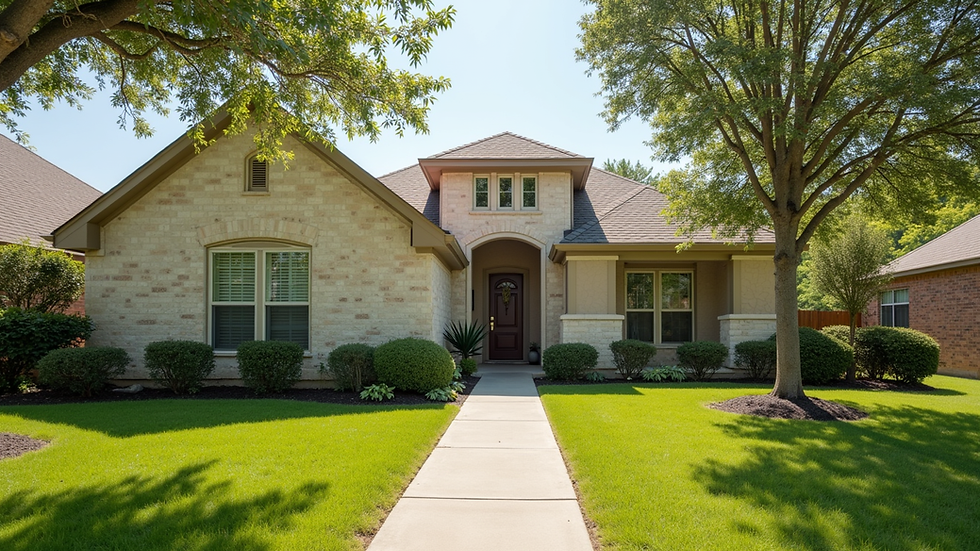
Declutter and clean your home thoroughly. A tidy space allows the appraiser to inspect all areas without obstruction. Pay special attention to curb appeal. The exterior is the first impression and can influence the appraiser’s perception.
What is the average cost of a home appraisal in Texas?
The cost of a home appraisal in Texas typically ranges between $300 and $500. Several factors influence the price, including the size and location of the property, the complexity of the appraisal, and the appraiser’s experience.
For example, appraising a standard single-family home in a suburban area may cost less than appraising a large or unique property in a rural location. Some lenders include the appraisal fee in the closing costs, while others require payment upfront.
It is important to choose a licensed and experienced appraiser to ensure an accurate valuation. James Sutton Appraisals, for instance, offers reliable and professional appraisal services tailored to Texas counties. Their expertise supports sound financial decisions and real estate transactions.
Preparing Your Home for the Appraisal Inspection
The day of the appraisal inspection is critical. The appraiser will conduct a thorough walkthrough of your home, noting its condition and features. To prepare:
Make repairs: Fix any minor issues such as broken windows, leaky faucets, or damaged doors.
Enhance lighting: Ensure all lights are working and windows are clean to maximize natural light.
Provide access: Clear pathways and unlock all areas, including the attic, basement, and garage.
Highlight upgrades: Prepare a list of recent improvements like new appliances, roofing, or landscaping.
Maintain landscaping: Trim bushes, mow the lawn, and remove debris to improve curb appeal.
During the inspection, be available to answer questions but avoid interfering with the appraiser’s work. Providing accurate information about your home’s features and upgrades can help the appraiser make a fair assessment.

How Comparable Sales Affect Your Home Appraisal
Appraisers use comparable sales, or "comps," to determine your home's market value. These are recently sold properties similar in size, style, and location. Understanding how comps influence your appraisal can help you prepare.
Research recent sales in your neighborhood and note their sale prices. If your home has features that comps lack, such as a new kitchen or additional bathroom, document these differences. Share this information with your appraiser to ensure they consider these factors.
Keep in mind that market conditions can affect comps. In a seller’s market, home values may be higher due to demand. Conversely, in a buyer’s market, values may be lower. Stay informed about local real estate trends to set realistic expectations.
Final Steps Before the Appraisal
Before the appraisal appointment, review your preparation checklist:
Confirm the appraisal date and time with the appraiser.
Complete any last-minute repairs or cleaning.
Organize documents related to your home’s history and improvements.
Ensure pets are secured or removed during the inspection.
Prepare to provide access to all areas of the home.
Being organized and proactive can reduce stress and help the appraisal process go smoothly. After the appraisal, the appraiser will compile a report detailing their findings and valuation. This report is shared with the lender or interested parties.
If you disagree with the appraisal value, you may request a reconsideration of value by providing additional evidence or requesting a second appraisal. However, this process requires valid reasons and supporting documentation.
By following these Texas home appraisal tips, you can help ensure an accurate and fair valuation of your property. For professional assistance, consider contacting licensed appraisers like James Sutton Appraisals, who specialize in Texas residential properties.
Preparing well for a home appraisal supports successful real estate transactions and sound financial decisions. Taking these steps will help you present your home confidently and achieve the best possible outcome.
For more information on home appraisal texas, visit the official website of James Sutton Appraisals.


Comments